



All Products
-
 John WilsonHypersolid Metal Tech Co., Ltd is a very responsible company that can effectively solve our problems. I hope there will be opportunities to work together in the future.
 -
 miaThis company is the best I have ever seen. The company's employees are particularly enthusiastic and able to respond and meet our needs. If there is a need in the future, I will still work with you!
Contact Person :
sabrina.chen
Phone Number :
+86 15836043611
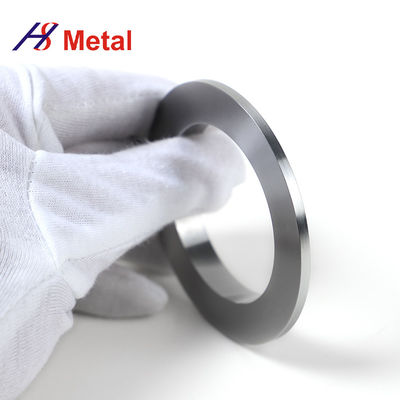
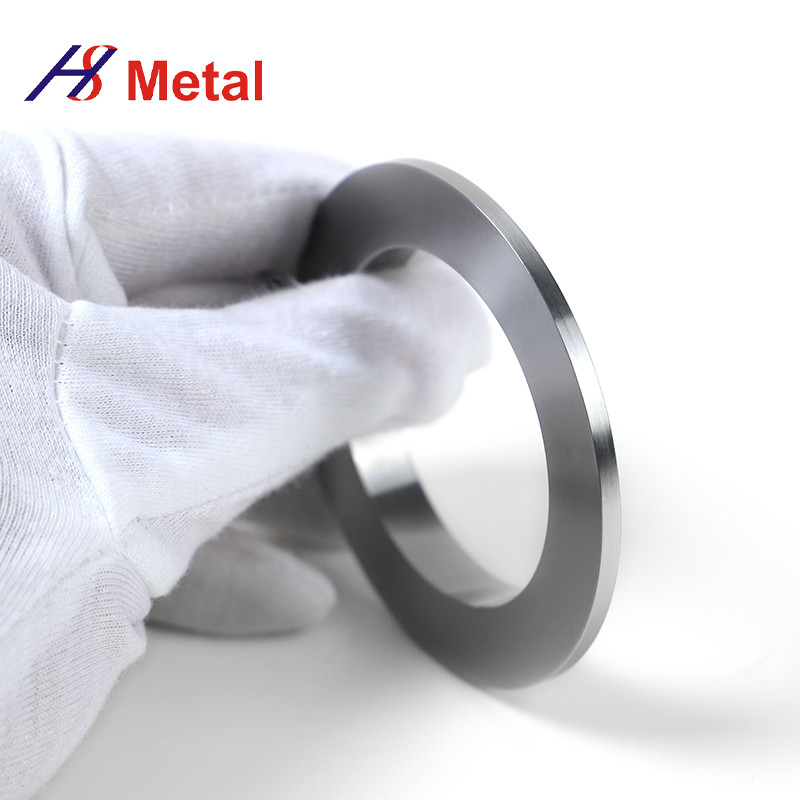
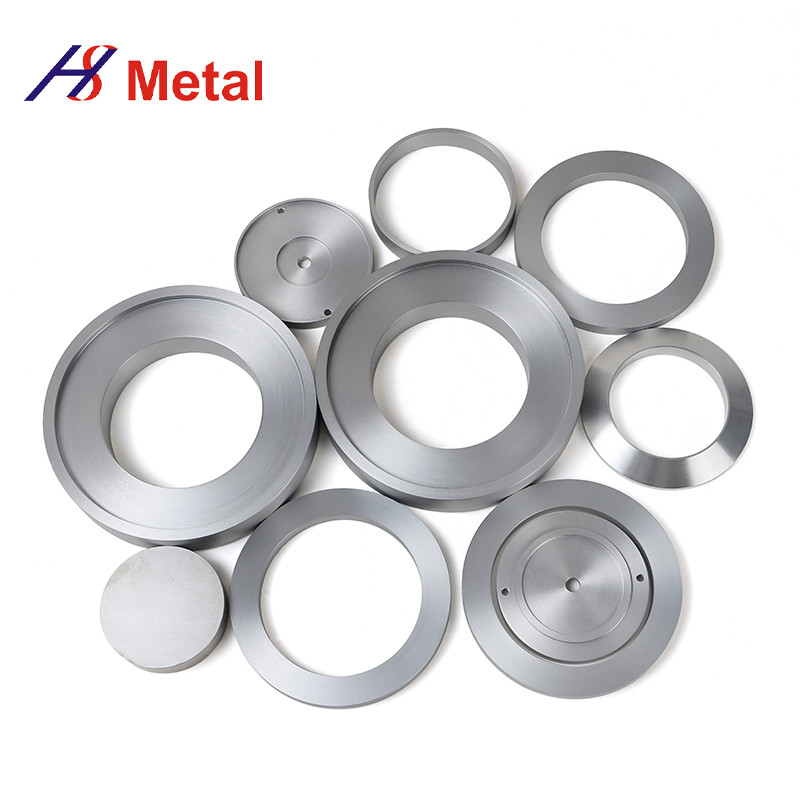
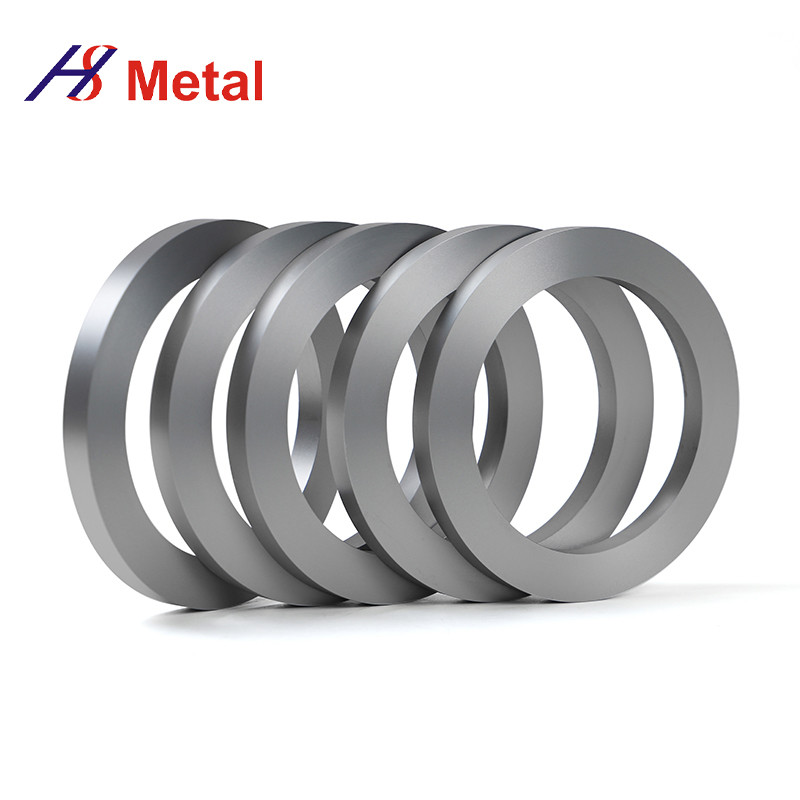
Mo Molybdenum Ring High Density Oxidation Resistance
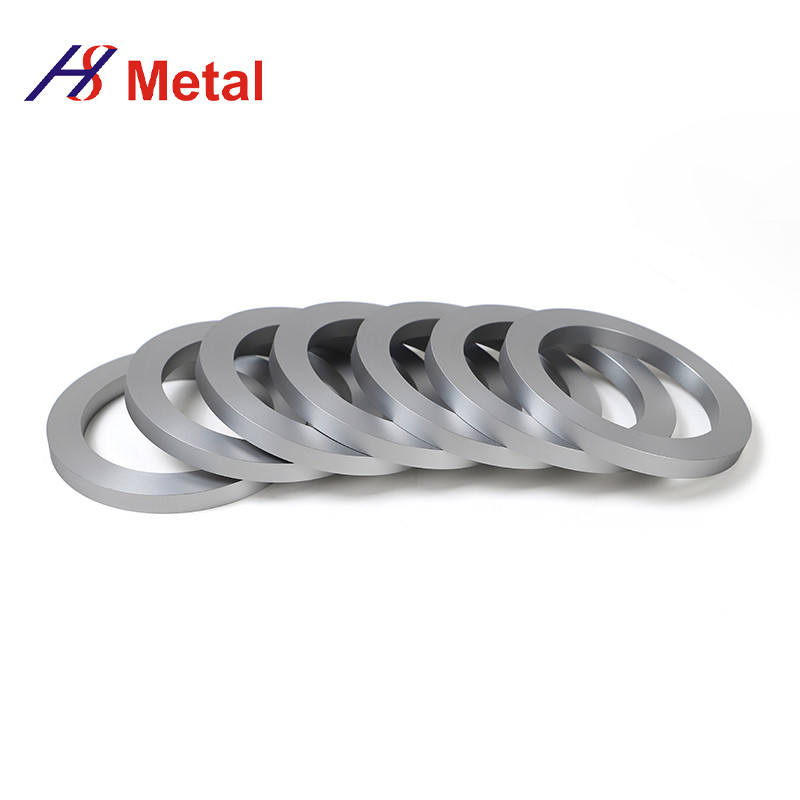
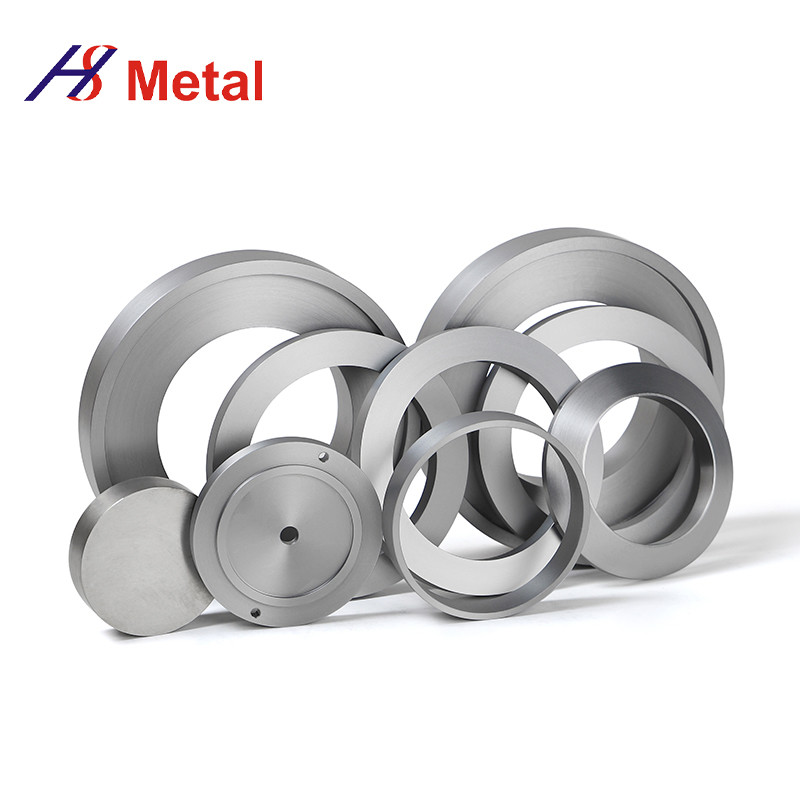
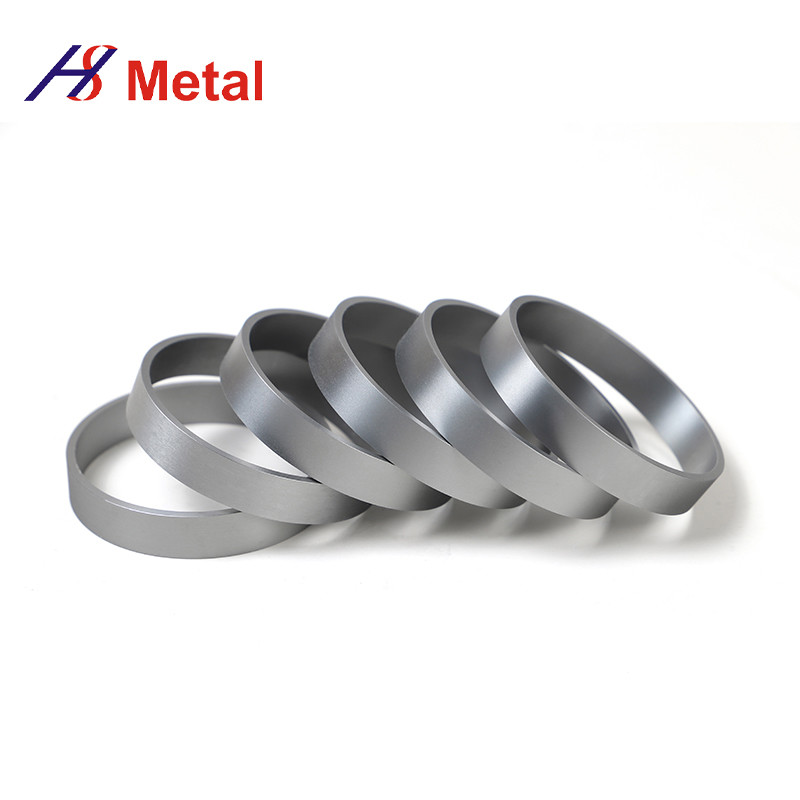
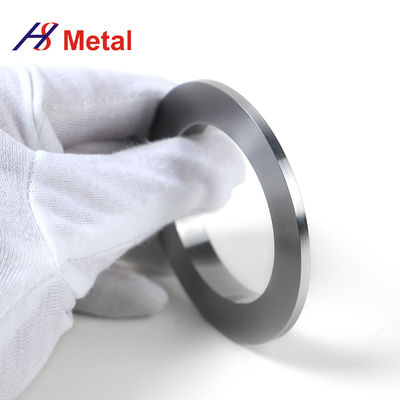
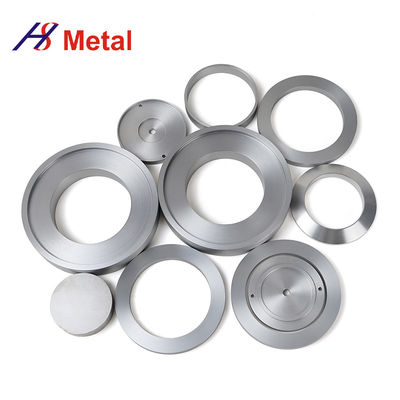
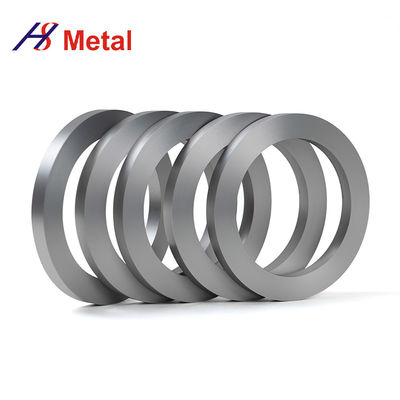
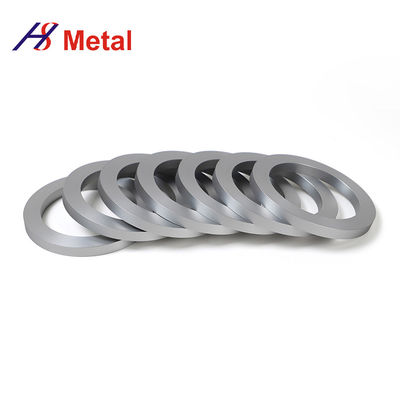
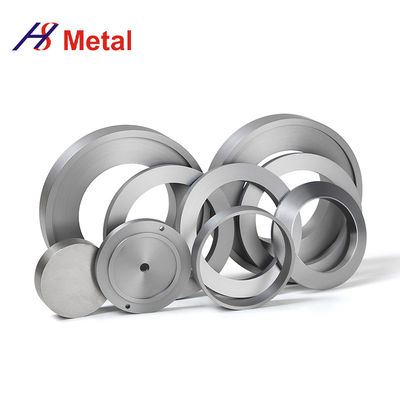
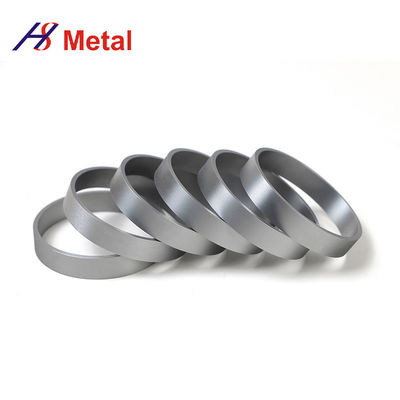

Contact me for free samples and coupons.
Whatsapp:0086 18588475571
Wechat: 0086 18588475571
Skype: sales10@aixton.com
If you have any concern, we provide 24-hour online help.
xProduct Details
| Diameter | ≥0.05mm | Electrical Conductivity | 35.0 × 10⁶ S/m |
|---|---|---|---|
| Length | 150~1500mm | Process | Hot Rolling Or Cold Rolling |
| Product Standard | ASTM B386, GB/T3876 | Specifications | Customized |
| Type | Mo1 | Wall Thickness | 5~30 Mm |
| High Light | mo molybdenum ring,high density molybdenum ring,oxidation resistance molybdenum ring |
||
Product Description
1,Description:
Material: Molybdenum (Mo) rings are made from pure molybdenum metal.
Density: Molybdenum has a high density, typically ranging from 9.2 to 10.2 grams per cubic centimeter (g/cm³).
Melting Point: Molybdenum has a very high melting point of approximately 2,623 degrees Celsius (4,753 degrees Fahrenheit), which makes it suitable for high-temperature applications.
Thermal Conductivity: Molybdenum exhibits good thermal conductivity, allowing efficient heat transfer within the ring.
Electrical Conductivity: Molybdenum is a relatively poor electrical conductor, with lower electrical conductivity compared to materials like copper or aluminum.
2,Specifications:
| Property | Description |
|---|---|
| Material | Pure Molybdenum (Mo) |
| Density (g/cm³) | 9.2 to 10.2 |
| Melting Point (°C) | Approximately 2,623 |
| Thermal Conductivity (W/m·K) | 138 to 142 |
| Electrical Conductivity | Relatively poor electrical conductivity |
| Corrosion Resistance | Excellent resistance to corrosion and oxidation |
| Strength | High tensile strength |
| Ductility | Relatively ductile |
| Thermal Expansion (ppm/°C) | 4.8 to 5.3 |

Recommended Products